Fairbank Lock Experts
Issue 1 of 3LocksmithToronto, Ontario
Safe Opening & Combination Change: inside the visit
Mechanical and electronic safe locks call for genuinely different work.
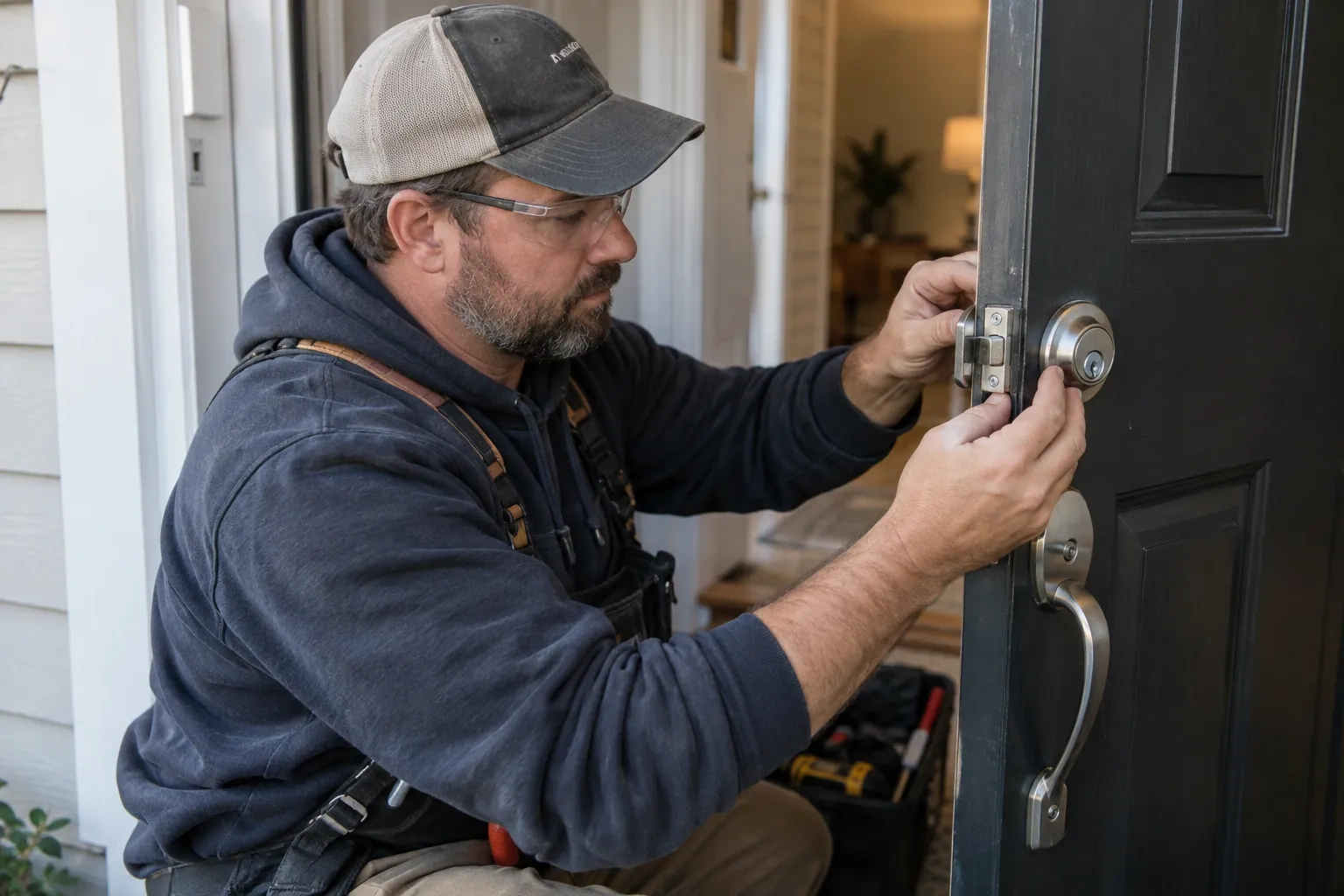
Mechanical and electronic safe locks call for genuinely different work. A mechanical dial is opened by manipulation or decoding, reading resistance through the spindle as the wheel pack lines up one wheel at a time. An electronic keypad is approached through that model's own documented recovery options first, since some keep a way back in that avoids opening the case, while others have none and a reset connection has to be made at the lock body inside the container. Knowing which lock is on the safe before arrival shapes which tools and which approach get used.
What is inside and what timing matters
Contents shape how carefully an opening proceeds. Cash drawers, business records, prescription logs, jewellery or firearms each carry their own handling expectations once the door swings open, and the locksmith asks about them upfront rather than assuming. Business hours, an upcoming audit, or a room that needs to be usable again also factor into how the visit is planned, without changing which opening method is chosen. Knowing what is behind the door and what else is happening around the visit lets the locksmith sequence the work sensibly rather than working blind.
Handling a broken key, handle or spindle
Not every safe problem is a combination problem. A snapped key is extracted the same careful way a broken door key would be, without pushing it further into the lock. A stripped or broken handle is removed and matched to a replacement of the same fitting, or repaired where the internal parts allow it. A spindle that has sheared inside the door is drawn out and replaced so the dial once again turns the wheel pack rather than spinning freely on its own. Each of these is diagnosed and resolved on its own terms alongside whatever combination work the visit also involves.
A safe that opens the same way every time
The visit finishes with the door cycled several times under the new combination, both open and closed, so the result is proven rather than assumed. The handle is checked for smooth, even movement, and the bolt work is watched to confirm it retracts and extends fully on each attempt. Anything noticed along the way, a stiff dial, a keypad that needs a firmer press, or a hinge that could use attention, is pointed out plainly so nothing is left as a surprise. You are shown the working combination yourself before the locksmith leaves, rather than simply being told that it works.