Change or rekey · Toronto
Gate & Building Entry Locks
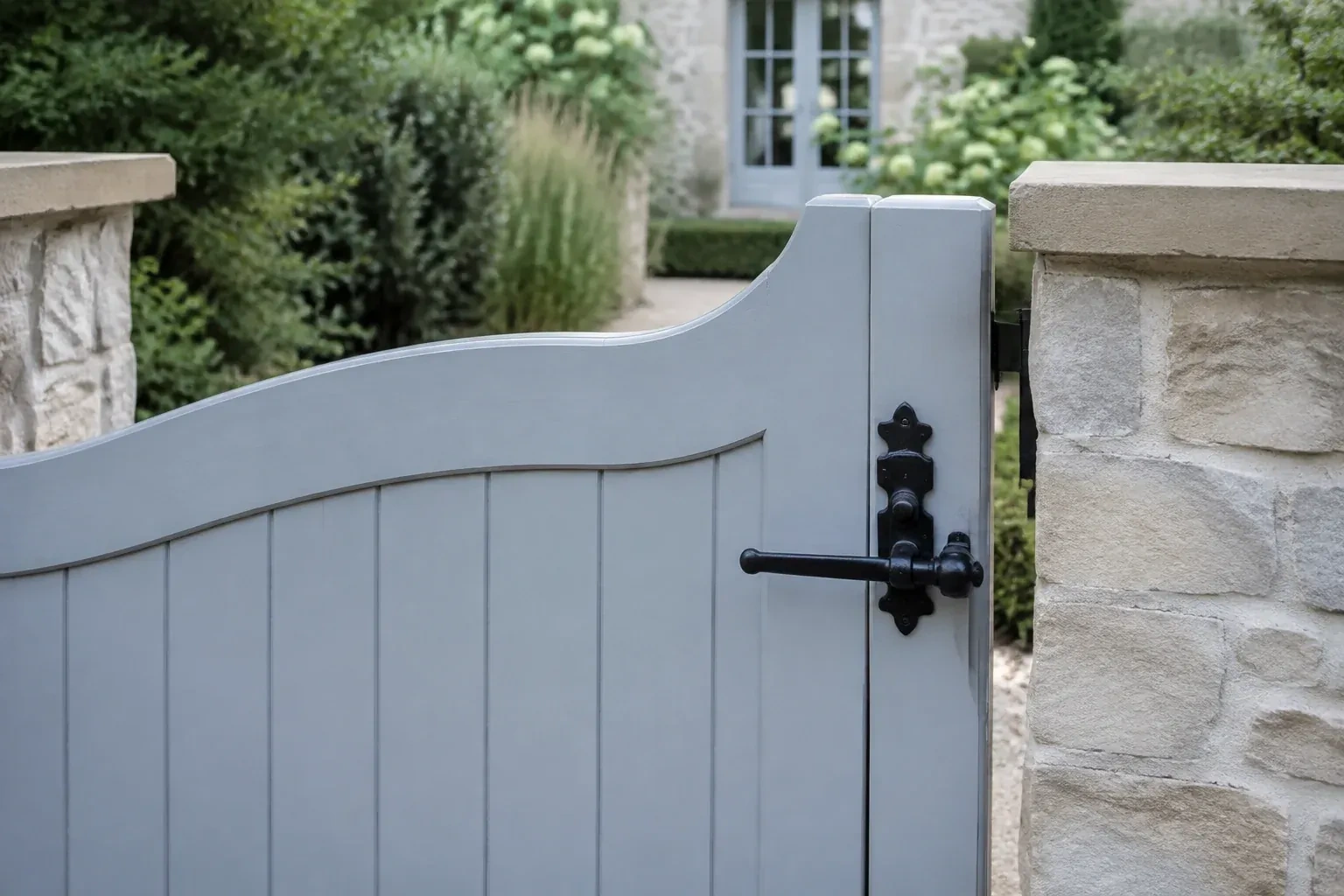
Between the front gate, the side gate and the one behind the shed, there are three different padlocks, three different keys, and a growing pile of duplicates in a kitchen drawer that nobody can match to the right lock anymore.
Gate & Building Entry Locks
In plain words
When several households share one street gate or one building entry, a lock change on its own solves little if half the keys in circulation still work afterward. This service starts by mapping who actually needs a key today, checks whether existing cylinders can be keyed alike without full replacement, and rekeys or replaces only what the assessment calls for. Everyone currently living or working behind that door leaves with a key that matches the others, and nobody is quietly left out by someone else's fix.
How the visit goesA visitor buzzes from the panel downstairs, someone presses the button by the door, and nothing happens. The electric strike on the lobby door used to click open on cue; now it stays silent, and residents are propping the entry with a folded flyer instead.
Toronto
How the visit goes
Taking stock of who holds a key
On a shared entry, the lock is only half the picture; the other half is who currently has a working key. The locksmith asks how many units or households rely on this door, whether anyone has moved out without returning a key, and whether other gates or entries on the property are meant to share the same one. That inventory decides whether a straightforward rekey covers everyone or whether some doors need to be brought onto a common key during the same visit, so nobody is left holding a key that no longer opens anything.
Bringing the closer into proper adjustment
Once the gate or door's swing has been read, the closer is adjusted in stages: overall closing speed, the final push that seats the latch, and how firmly the last few centimetres land. Each change is tested by cycling the gate several times before moving to the next adjustment, rather than guessing at a single setting. Where the arm, fittings or fluid are worn beyond adjusting, the closer is replaced with one sized to the gate's weight and width. The aim is a gate that swings its full arc, slows near the end, and settles into the latch on its own every time.
A seasonal habit worth keeping
A gate or shared entry that was serviced once benefits from a short look each season afterward, particularly heading into winter: cycling the gate to check the closer still settles it into the latch, glancing at the cylinder for the first signs of pitting, and confirming hinge or post hardware has not worked loose. Catching a stiff cylinder or a slow closer in the fall is a smaller job than reaching the same gate once it is genuinely frozen or has sagged further over a winter of neglect.
Gate & Building Entry Locks
In the van
- Key blanks and code cutter
- Weather-rated cylinders
- Hinges, pivots and shims
- Gate and door closers
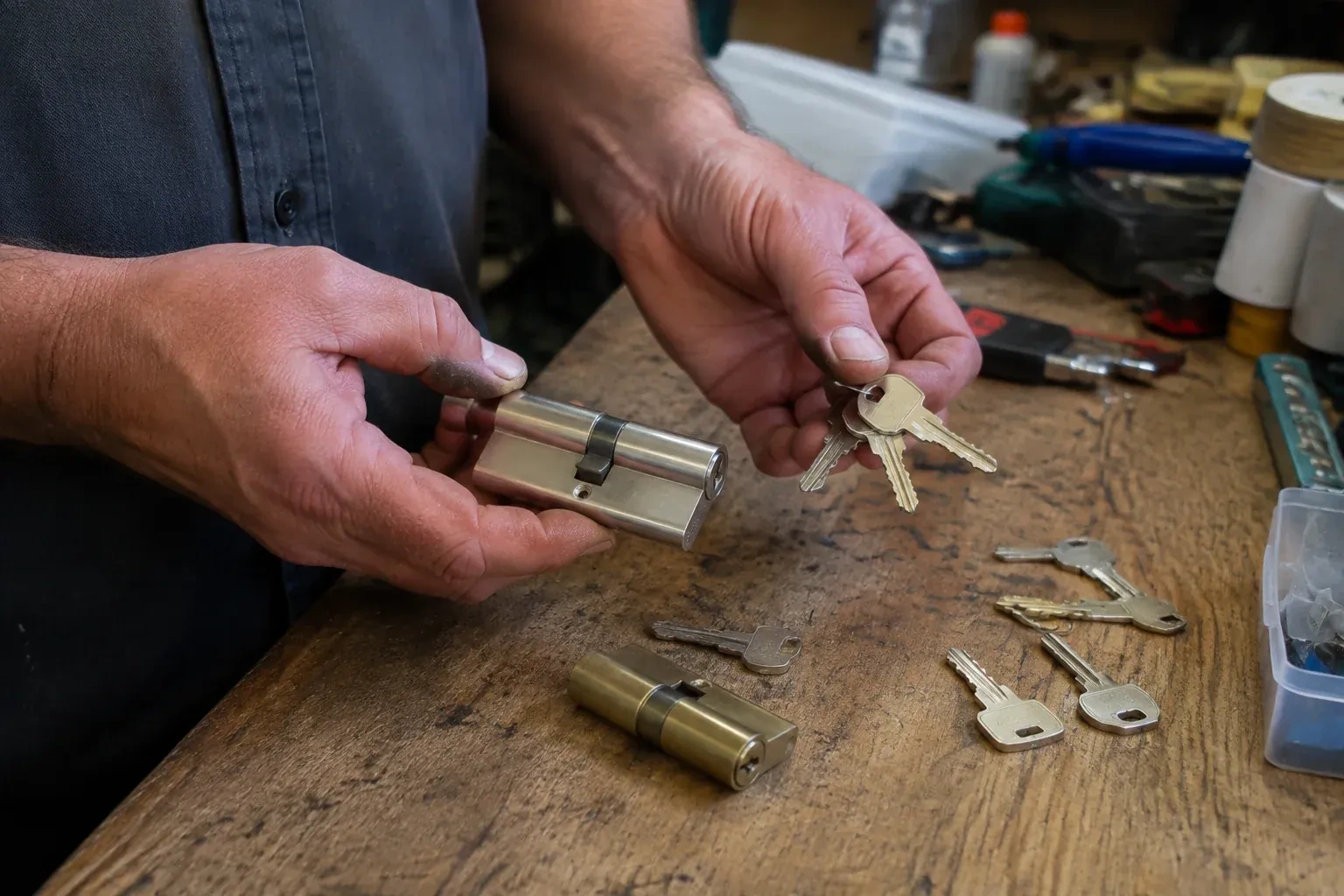
- Keyed-alike cylinders
What affects the quote
Same fees day, night or weekend
1Electronic components on the entry
A buzzer, keypad, electric strike or maglock adds its own diagnostic and testing time beyond the mechanical lock itself, and any electronic part that needs repair or replacement is priced as its own line.
2Time of year and weather on the day
A cylinder frozen solid or a closer stiffened by cold takes patient work before adjustment or replacement can even begin, so a call made during a cold snap is quoted with that extra time in mind.
3Weather-rated versus standard hardware
Hardware built and sealed for outdoor exposure differs from standard indoor-grade hardware, and choosing the weather-rated option for anything mounted outside is reflected in the parts portion of the quote.
Gate & Building Entry Locks: questions
How should I look after a gate lock so it keeps working?
Twice a year, work the lubricant the cylinder maker specifies into the keyway and cycle the key a few times; the wrong product for that model can collect grit or gum up the mechanism instead of helping it. Check that the closer still settles the gate into the latch without slamming, and look at hinges or post hardware for movement, especially after a hard winter. A cylinder that starts needing a wiggle, or a gate that has begun to drag, is worth addressing while it is still a small adjustment.
What can be done about salt and corrosion on outdoor gate hardware?
Choosing corrosion-resistant fasteners and a cylinder rated for weather exposure at the outset avoids most of the problem, since plain steel fittings near a driveway or walkway take the brunt of de-icing salt over a winter. For hardware that already shows early corrosion, cleaning and a dry lubricant can extend its working life, while pitted or seized parts are better replaced than fought with season after season. A rinse of the hardware after a heavy salt application is a simple habit that helps as well.
Should I choose a padlock or a built-in gate lock for a new gate?
A padlock through a hasp is simple to fit to almost any gate and easy to rekey or swap later, which suits a gate that gets occasional use or belongs to more than one type of user, such as a shared laneway. A built-in gate lock with its own latch and cylinder tends to suit a gate used daily, since it operates with one motion instead of fitting and removing a separate padlock each time. Either can be paired with a closer if the gate should shut on its own.
Change or Rekey Locks
Gate & Building Entry Locks near you
In Toronto the work spans everything on a door that turns, latches or bolts. Homes: lockouts, rekeys, replacements, deadbolts, smart locks, heritage hardware. Businesses: storefront locks, exit devices, closers, master key systems, safes. Read the service that fits and see how a visit runs from start to finish.